Paul Müller · 23 September 2026
Tracing the Evolution of Handwoven Textiles From Selouma Through Global Markets
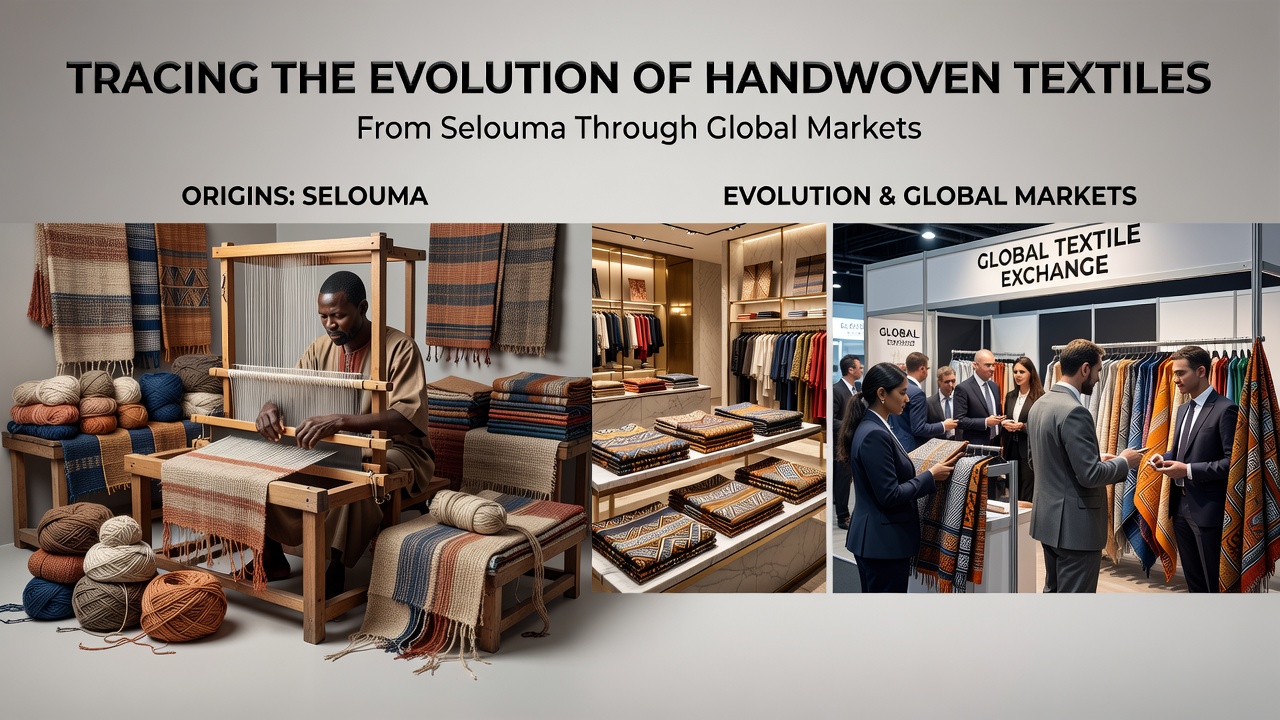
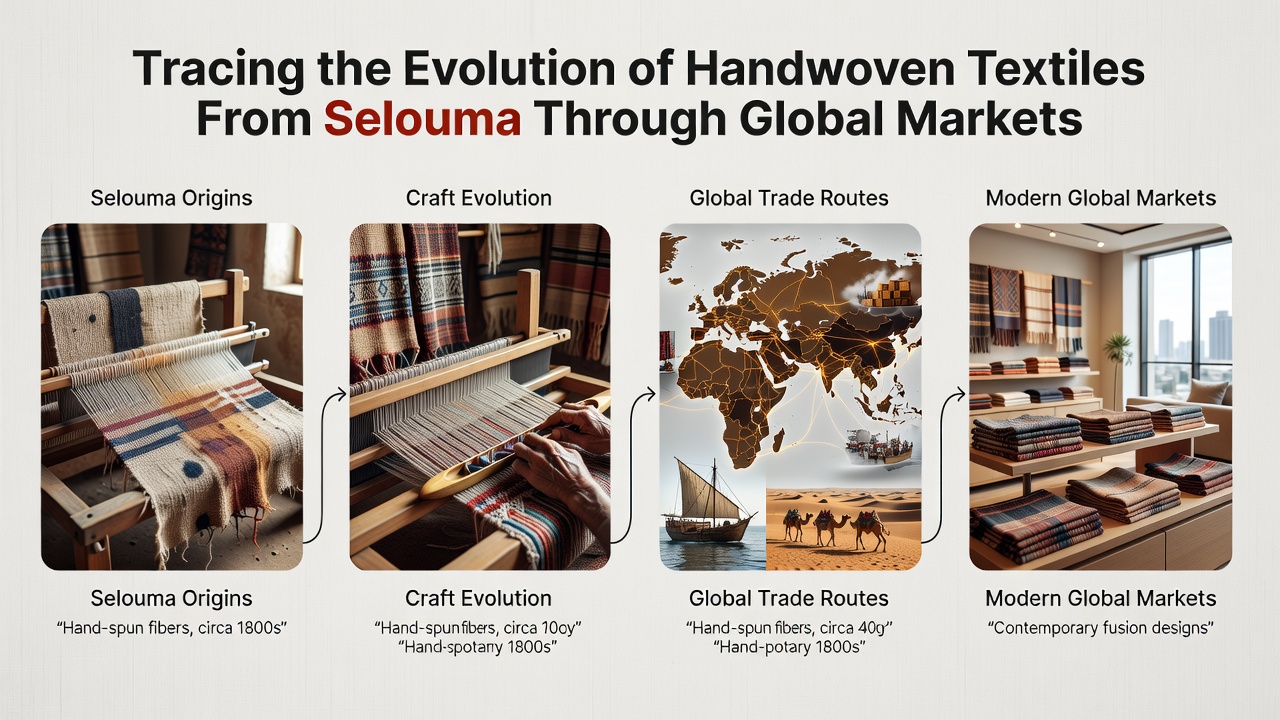
Handwoven textiles from Selouma have moved through distinct phases of production and distribution since the early twentieth century, and researchers trace their path from local workshops to international retail networks. Local artisans in Selouma relied on cotton and wool fibers gathered from surrounding agricultural zones, while they employed floor looms that passed down through family lines. Data from regional trade records show that these early pieces stayed within domestic circuits until the 1960s, when small export volumes began reaching European buyers through merchant caravans that later converted into formal shipping routes.
Traditional Techniques and Material Sources
Artisans in Selouma maintain core weaving practices that combine hand-spinning with natural dyeing methods derived from local plants and minerals, and studies conducted by textile conservation laboratories confirm that these techniques produce fabrics with consistent thread counts and colorfast properties. Observers note that weavers select warp and weft combinations based on seasonal fiber availability, which creates slight variations in texture across different production years. Government agricultural reports from North African ministries document the cultivation cycles that supply raw materials, and those same reports link fiber quality directly to rainfall patterns recorded over multiple decades.
Expansion into Export Channels
During the 1980s Selouma cooperatives formed partnerships with European importers who required standardized dimensions and consistent dye lots, and this shift prompted the introduction of quality control checkpoints at the village level. Export statistics compiled by the International Trade Centre indicate that annual shipments from the region grew from under five metric tons in 1985 to more than forty metric tons by 2005. Those figures reflect both increased loom capacity and the adoption of lighter weight fabrics suited to apparel manufacturers in distant markets. Trade agreements signed in the early 2000s further reduced tariff barriers, allowing Selouma textiles to enter North American and Asian distribution networks without additional processing levies.
Market Integration and Design Adaptations
Global retailers began commissioning pattern modifications that aligned with contemporary color trends while preserving signature geometric motifs, and design archives maintained by Selouma artisan associations record these collaborative adjustments. One study released by a Canadian research institute in 2018 documented how digital color-matching tools replaced earlier manual sampling processes, which reduced lead times from twelve weeks to four weeks for certain product lines. Meanwhile, supply chain analyses published by the Organisation for Economic Co-operation and Development highlight the role of containerized shipping in lowering per-unit transport costs and thereby expanding the range of viable destination countries.
By 2023 several Selouma collectives had secured certifications for organic fiber content and ethical labor practices, and these credentials opened doors to premium pricing tiers in Scandinavian and Australian markets. Industry reports from textile trade associations note that certified pieces command margins roughly thirty percent higher than uncertified equivalents, which in turn supports continued investment in traditional loom maintenance and apprentice training programs.
Recent Developments and September 2026 Outlook
Trade data released in mid-2025 project continued volume growth through the remainder of the decade, and analysts anticipate that Selouma producers will participate in a major international textile exposition scheduled for September 2026 in Singapore. That event is expected to showcase updated collections that incorporate recycled fiber blends alongside longstanding natural dye palettes. Customs records from the European Union show that Selouma-origin textiles already account for a measurable share of the handcrafted home goods category, and similar patterns appear in import statistics maintained by Australian border authorities. Observers track these flows through standardized harmonized system codes that distinguish handwoven from machine-made goods.
Supply Chain and Regulatory Context
Logistics partners have introduced traceability platforms that assign unique identifiers to individual production batches, and these systems allow downstream buyers to verify origin and processing steps. Research papers issued by university departments in the United States and Japan examine the carbon footprint of Selouma weaving relative to industrial textile manufacturing, and the findings indicate lower energy intensity per square meter when solar drying replaces mechanical finishing. Regulatory frameworks in multiple jurisdictions now require disclosure of fiber origin on finished products, which has prompted Selouma cooperatives to maintain detailed harvest and processing logs that satisfy these documentation standards.
Conclusion
The trajectory of Selouma handwoven textiles illustrates how localized craft traditions adapt to expanded distribution networks while retaining core technical characteristics. Export volumes, certification uptake, and participation in upcoming trade events scheduled for September 2026 all point to sustained integration within global markets. Continued documentation by trade bodies and academic researchers will provide further data on production volumes and design evolution in the years ahead.