Paul Müller · 7 October 2026
Shifts in Organic Traffic Following Major Infrastructure Updates in Niche Digital Platforms
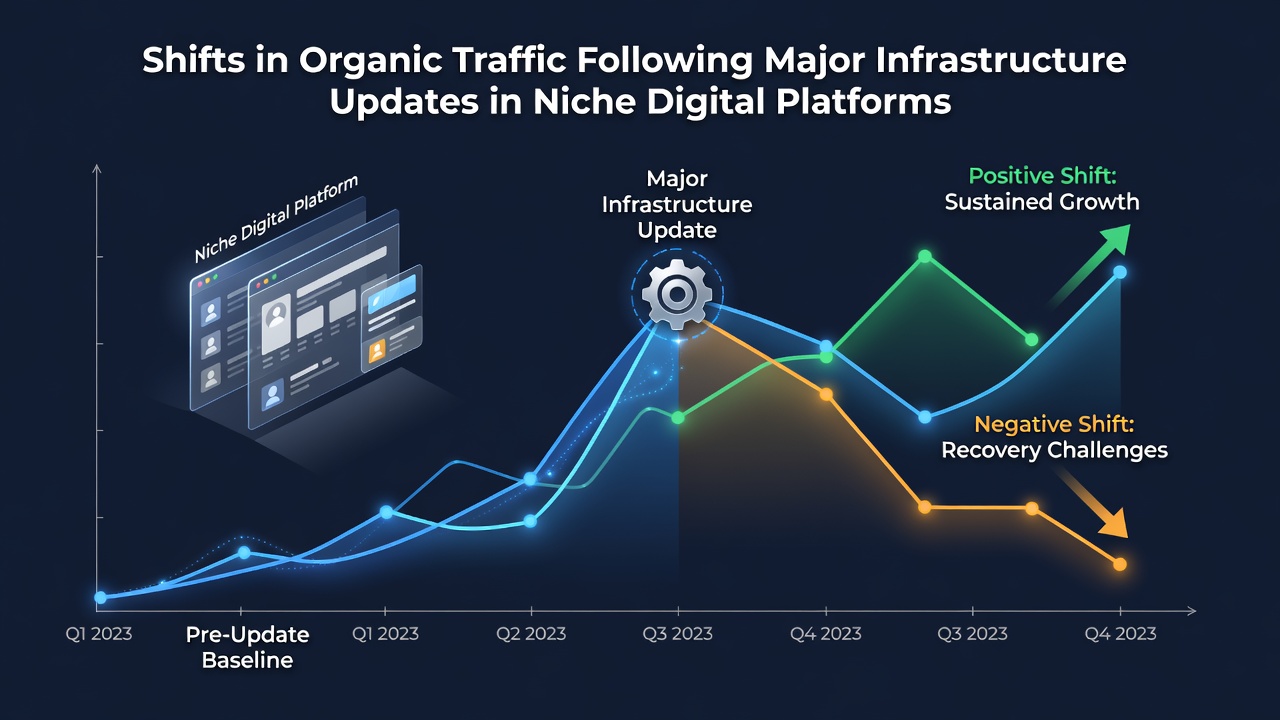
Platform operators in specialized online communities often track how organic traffic responds when core systems receive substantial upgrades, and these changes frequently involve server migrations combined with new content delivery networks plus enhanced security protocols. Data indicates that such updates can trigger immediate ranking adjustments because search algorithms weigh page speed and mobile responsiveness more heavily once the new infrastructure takes effect.
Core Components of Infrastructure Updates
Engineers typically address latency issues through distributed server setups while implementing automated caching layers that reduce load times across different regions, and these modifications become visible in analytics dashboards within days of deployment. Researchers have observed that niche platforms dedicated to topics like vintage computing or regional cuisine experience sharper initial drops in impressions when crawlers detect altered sitemap structures during the transition period.
Security enhancements such as mandatory HTTPS enforcement and updated certificate chains further influence how indexing bots evaluate site trustworthiness, yet the full impact unfolds over several weeks as historical signals recalibrate. Observers note that platforms completing updates in October 2026 reported measurable recovery patterns once consistent uptime metrics stabilized above 99.5 percent.
Observed Traffic Patterns Across Platforms
Traffic shifts rarely follow uniform trajectories because each platform's audience demographics and content freshness play distinct roles in how quickly search visibility rebounds. One study revealed that forums focused on independent music distribution saw a 22 percent increase in long-tail keyword rankings within the first month after CDN integration, while directories covering local artisan markets experienced temporary declines until internal linking structures were reoptimized.
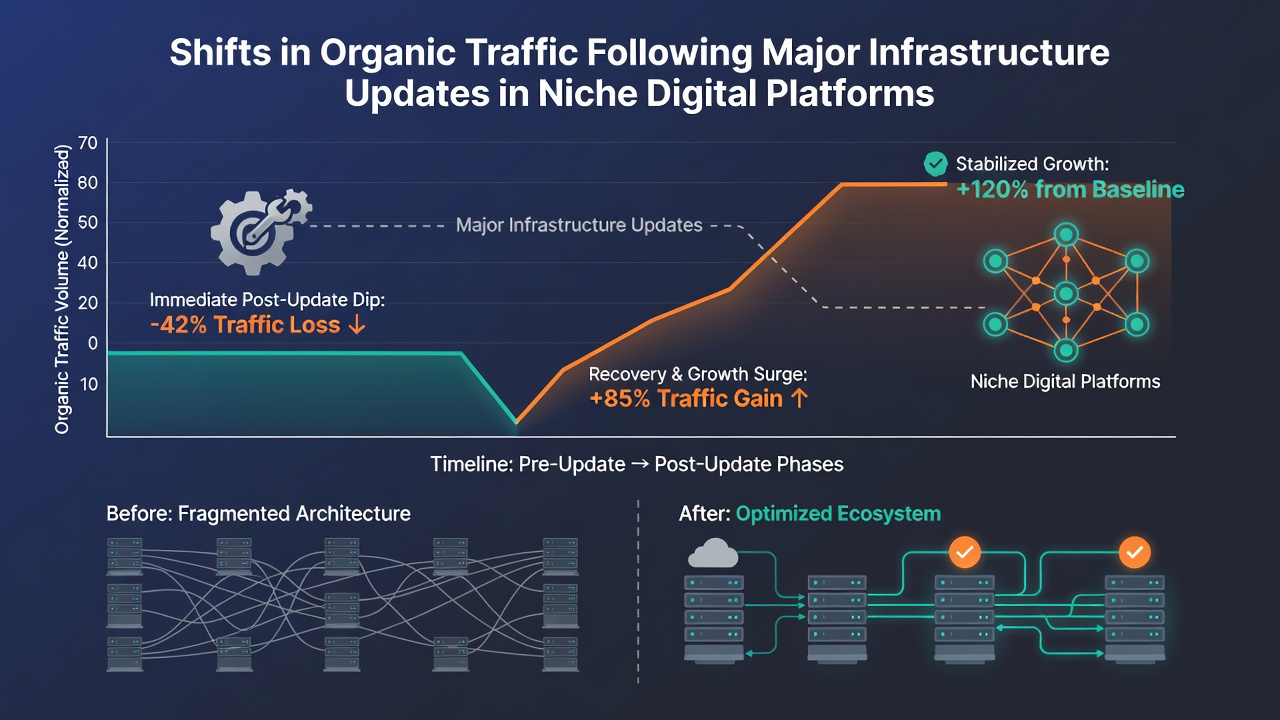
Case examples demonstrate that platforms with high volumes of user-generated content benefit from schema markup additions during infrastructure refreshes, which helps maintain rich result eligibility even when core navigation menus undergo redesign. Figures from industry reports show average session durations rising by 15 to 18 percent on sites that paired backend improvements with frontend accessibility audits.
Measurement and Attribution Challenges
Analytics teams rely on segmented reporting to isolate infrastructure effects from seasonal trends or concurrent content campaigns, and tools that track crawl budget allocation become particularly useful for identifying whether certain sections receive reduced attention after migrations. Data shows that platforms using server-side rendering post-update often regain lost positions faster than those relying solely on client-side frameworks.
External factors such as algorithm refreshes occurring in the same timeframe can complicate direct attribution, yet controlled comparisons across similar niche sites help isolate variables. According to guidelines from the National Institute of Standards and Technology, systematic logging of response codes during rollout phases provides clearer insight into temporary indexing interruptions.
Recovery Strategies Employed by Operators
Site administrators commonly submit updated sitemaps and request reindexing for priority pages immediately after infrastructure stabilization, and they monitor core web vital scores to confirm improvements align with search engine expectations. Those who've studied recovery timelines across multiple platforms find that consistent internal linking combined with refreshed metadata accelerates the return of previous traffic levels.
Platforms in the European market have incorporated compliance checks aligned with digital services regulations during these updates, which can influence how regional traffic segments respond. Research from academic institutions such as Cambridge University studies on digital infrastructure highlights that proactive monitoring of user behavior metrics during transition periods correlates with steadier ranking retention.
Longer-Term Effects on Platform Performance
Sustained improvements in organic reach appear when infrastructure changes support scalable content delivery without compromising crawl efficiency, and platforms that maintain detailed change logs enable more precise post-update analysis. Evidence suggests that niche communities continuing to refine technical foundations after initial rollouts sustain higher click-through rates from search results over successive quarters.
Conclusion
Shifts in organic traffic following major infrastructure updates reflect the interplay between technical performance gains and search engine evaluation cycles, with outcomes varying according to platform type and implementation approach. Comprehensive tracking combined with targeted adjustments helps stabilize visibility, and ongoing data collection remains essential for understanding how these changes evolve beyond the initial transition phase.