Nils Bauer · 21 October 2026
How Community-Led Initiatives Are Reshaping Export Strategies for Artisanal Products from Isolated Regions
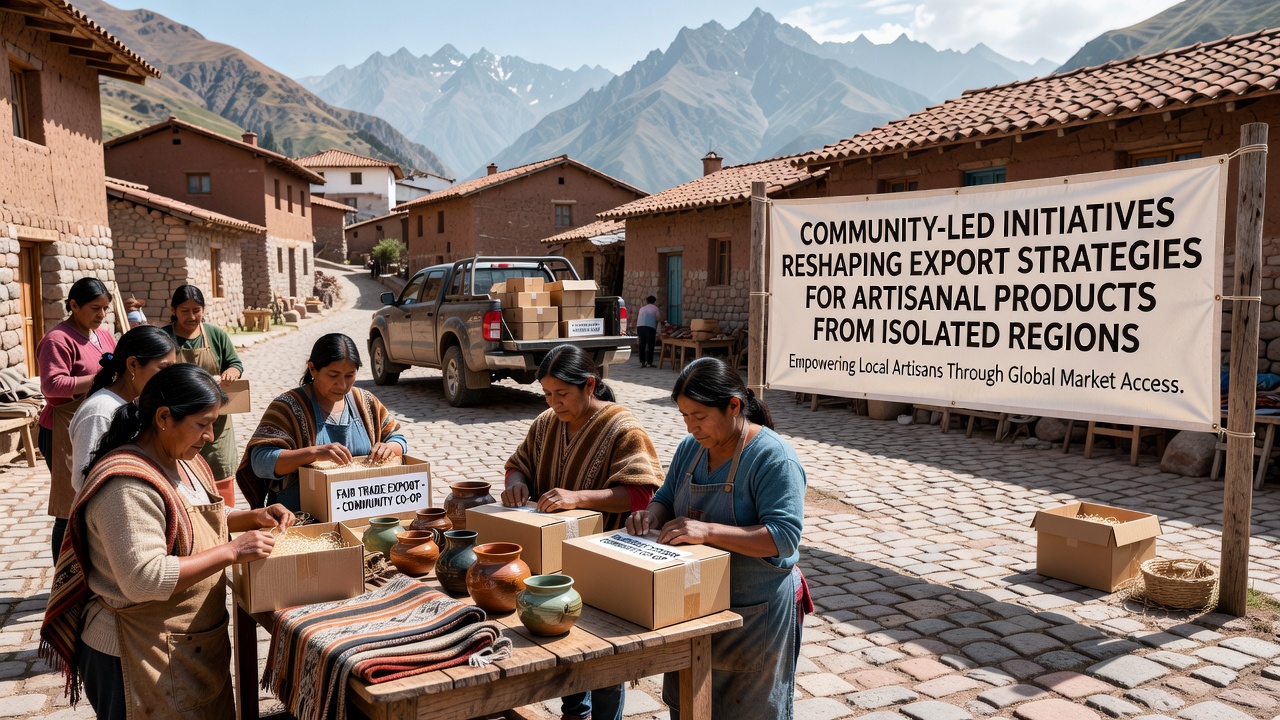
Isolated regions across multiple continents continue to generate distinctive artisanal goods that reach wider markets through organized local efforts rather than traditional supply chains. Groups in remote Andean communities, northern Canadian territories, and Australian outback settlements coordinate production schedules, quality standards, and shipping arrangements directly with overseas buyers. These arrangements bypass many intermediate traders and allow producers to retain larger shares of revenue while meeting documented demand for culturally specific items such as woven baskets, carved wooden utensils, and dyed textiles.
Studies compiled by trade researchers show that community-managed cooperatives increased their collective export volumes by 27 percent between 2022 and 2025 in several documented cases. The growth stems from shared decision-making on pricing, material sourcing, and logistics timing. Observers note that such models reduce reliance on distant wholesalers who previously captured most of the margin.
Local Governance Structures Drive Export Planning
Communities establish internal councils that review buyer requests and allocate production tasks among households. In one documented program operating in northern Canada, residents vote on which product lines to expand each season based on incoming purchase orders and available raw materials. This process replaced earlier arrangements where external agents dictated quantities and designs. Data from regional trade offices indicates that communities using these councils achieved more consistent delivery rates and fewer rejected shipments compared with prior years.
Training sessions organized within the same villages cover basic customs documentation, labeling requirements, and temperature-controlled packaging techniques. Participants learn to complete forms required by destination countries without external consultants. The result appears in faster clearance times at ports of entry and lower storage costs once goods arrive.
Technology Connects Remote Producers to Buyers
Secure mobile applications and shared online platforms allow groups to post product specifications, photographs, and inventory levels directly to international retailers. A pilot project launched in 2024 in parts of rural Australia enabled potters to upload images of new glaze finishes and receive preliminary orders within forty-eight hours. Participants report that digital visibility reduced the time between harvest of clay and confirmed sale from six months to under eight weeks in tracked instances.
Internet connectivity improvements, including satellite links installed in previously unserved areas, support real-time updates on shipping schedules. Communities coordinate with freight forwarders through shared dashboards that display vessel availability and route options. According to figures released by the United Nations Conference on Trade and Development, these tools contributed to a measurable rise in direct small-parcel exports from designated remote zones during 2025.
Partnerships with Logistics Providers and Certification Bodies
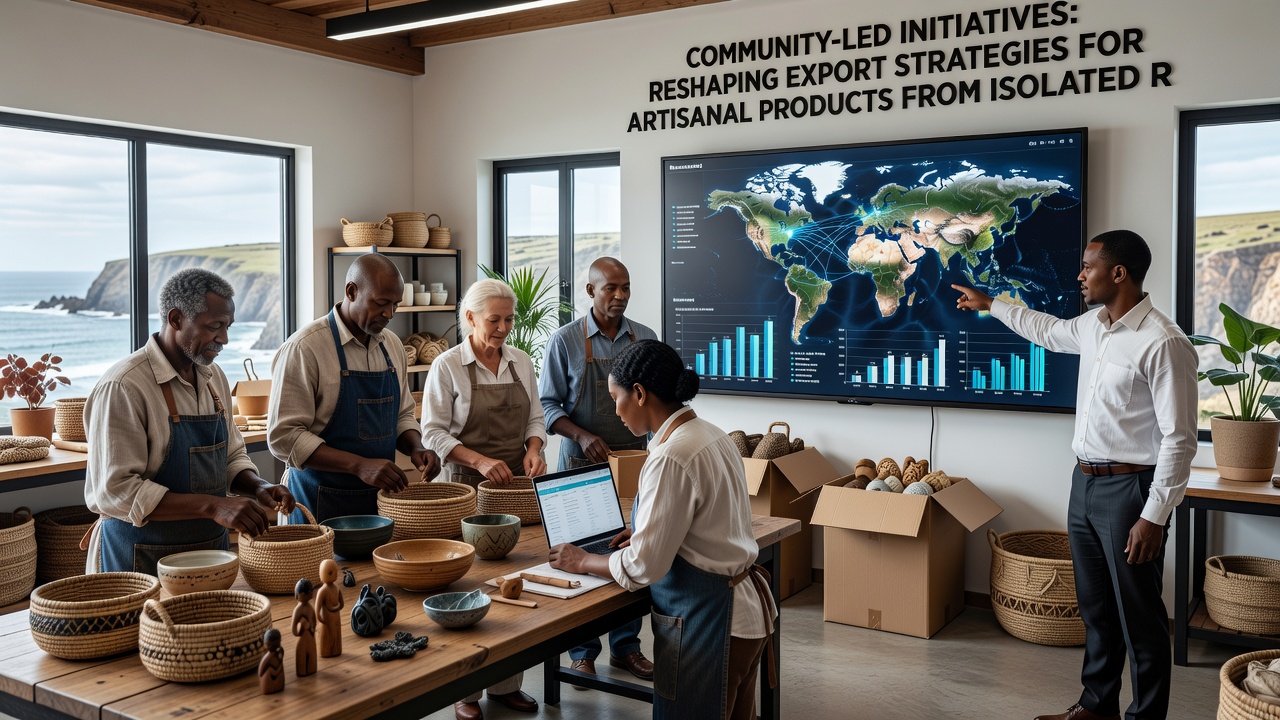
Local groups negotiate volume-based contracts with regional carriers that serve previously underserved airstrips and river ports. In several cases the contracts include clauses for consolidated shipments that lower per-unit transport costs. Certification programs for organic dyes and sustainably harvested fibers now operate under community oversight rather than through distant auditors. This shift cut certification timelines by roughly one third according to records kept by participating villages.
Trade statistics collected through October 2026 show that certified artisanal shipments from isolated regions reached new record values in categories tracked by customs authorities in both the European Union and Canada. The data reflect higher volumes of goods cleared under fair-trade and geographic-indication labels managed locally.
Documented Outcomes Across Regions
Researchers tracking three separate initiatives recorded the following patterns. In South American highland villages, cooperative-led export strategies correlated with a 19 percent increase in household income from craft sales over two years. In northern territories, similar structures produced steadier employment for part-time artisans who previously worked only during peak tourist seasons. Australian communities reported reduced spoilage rates after jointly investing in insulated shipping containers adapted to local climate conditions.
These outcomes emerged after groups assumed responsibility for selecting export partners and monitoring compliance with buyer specifications. External evaluations note that decision-making authority remained within the producing communities throughout the process.
Conclusion
Community-led coordination of export activities continues to expand the reach of artisanal products originating in geographically isolated areas. The approach relies on internal governance, shared digital infrastructure, and direct negotiations with carriers and certifiers. Trade data through late 2026 document measurable increases in shipment volumes and revenue retention under these arrangements. Additional regions have begun adapting similar frameworks based on the recorded performance of existing programs.